The United Republic of Tanzania
NGORONGORO CONSERVATION AREA AUTHORITY
The United Republic of Tanzania
NGORONGORO CONSERVATION AREA AUTHORITY
Gol Mountain and Sale Plains
Overview
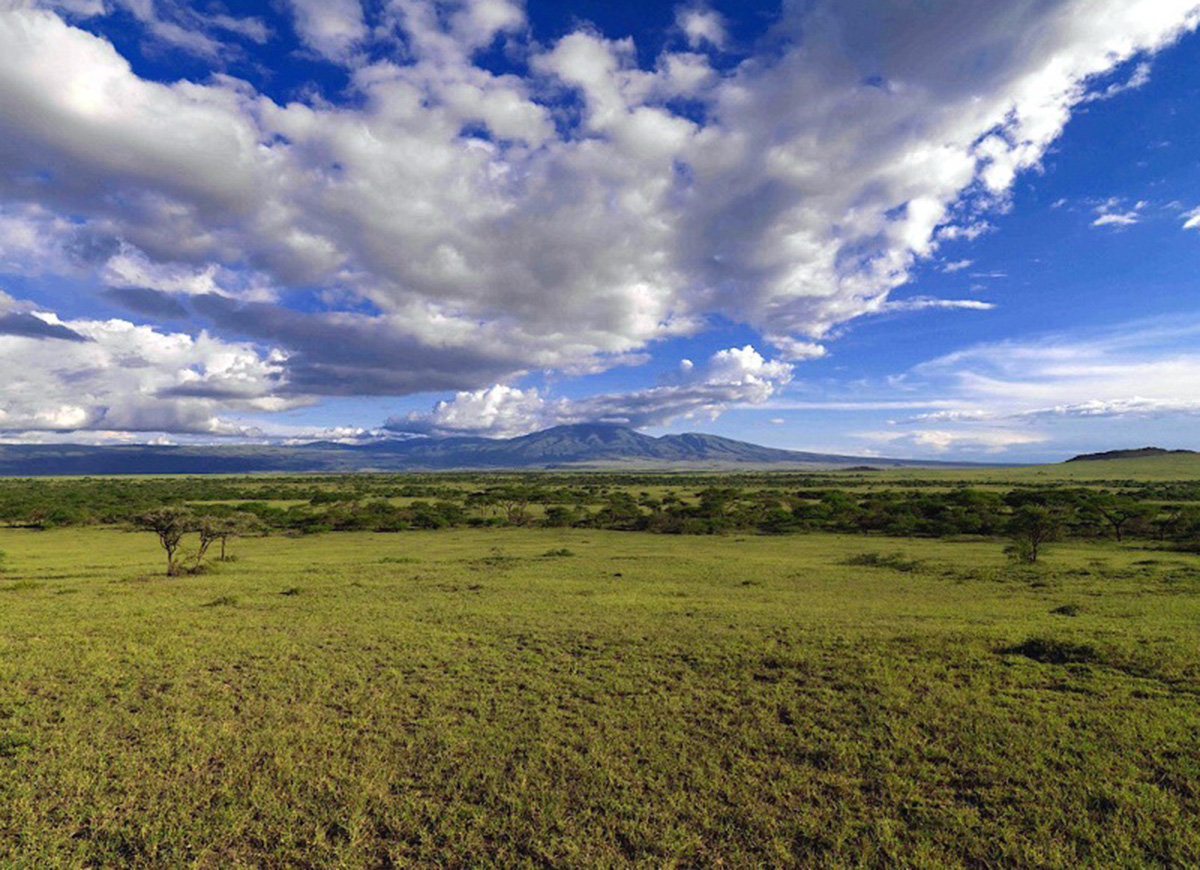
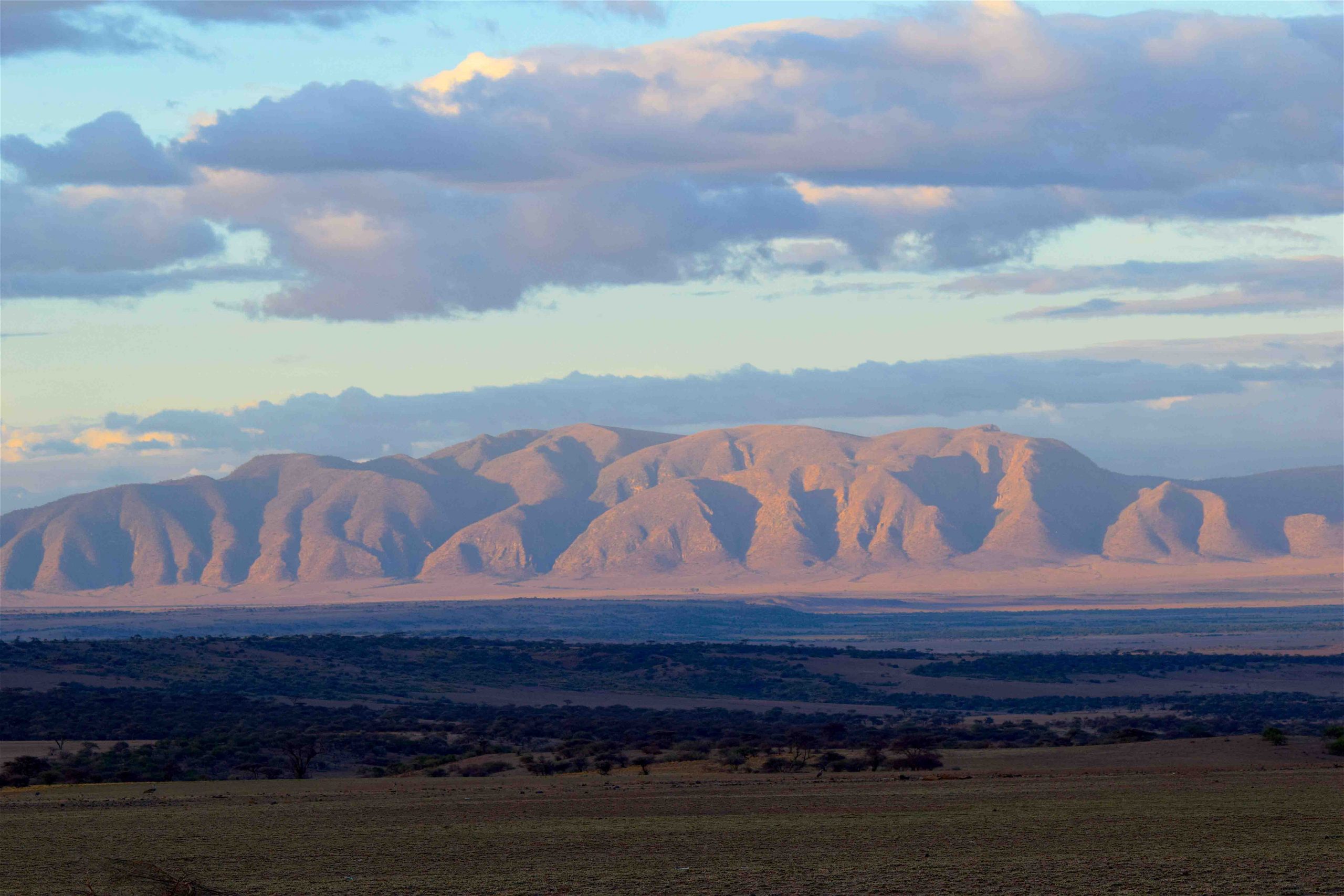
The Gol Mountains are located at the north-end of the Ngorongoro Conservation Area and is an example of a fault-bounded mountain range. They rise from the open short grass plains that attract migratory wild animals and predators, to a height of 915m above its base. Continuous faulting lowered the rocks to the east, leaving the rocks to the west to form the mountains. The Gol Mountains, the rocks consist of highly-fractured metamorphic quartzite, virtually identical to that seen in the Soitoo Hills.
The area is teeming with wildlife during the rainy season, from March to June, as opposed to the dry months, when the vegetation turns dusty brown.
The dusts blown by volcano eruptions landed on these plains, showcasing the area’s uniqueness during the rainy season, when the plains are most fertile with very nutritious pasture, attracting large concentrations of migratory animals such as wildebeest, zebra, and gazelle.
The Sale Plains are situated near the Gol Mountains.
Map
Photo Gallery
Got a Question?
F.A.Q's
Ngorongoro is managed by a different government authority namely Ngorongoro Conservation Area Authority (NCAA). To get their details including fees kindly visit their website www.ngorongorocrater.go.tz
The Ngorongoro Crater is home to much more than wildlife safaris, with important cultural and archaeology here too.
Away from the wildlife, the Ngorongoro Conservation Area has other areas of significance. Oldupai Gorge is one of Africa’s most important archaeological excavations where some of the world’s most humanoid remains were discovered.